
The Power of Language in Recovery: What to Stop Saying Now
As communicators in healthcare, we know that what we say and how we say it influences not just understanding, but dignity, respect, and care outcomes. This is especially true in opioid use disorder (OUD), where stigmatizing language can act as a barrier to treatment and compassion.[1]
On my nightstand right now is the American Heart Association Health Equity Language Guide. This guide is a powerful reminder of how deeply language shapes health experiences across therapeutic areas. I’ve worked in cardiology, stroke, epilepsy, rare diseases, metabolic disorders, pulmonary hypertension, and now OUD. In every community, the words we choose can either uphold dignity or perpetuate stigma. And with a condition as misunderstood as OUD, language matters more than ever.
Confronting stigmatizing language
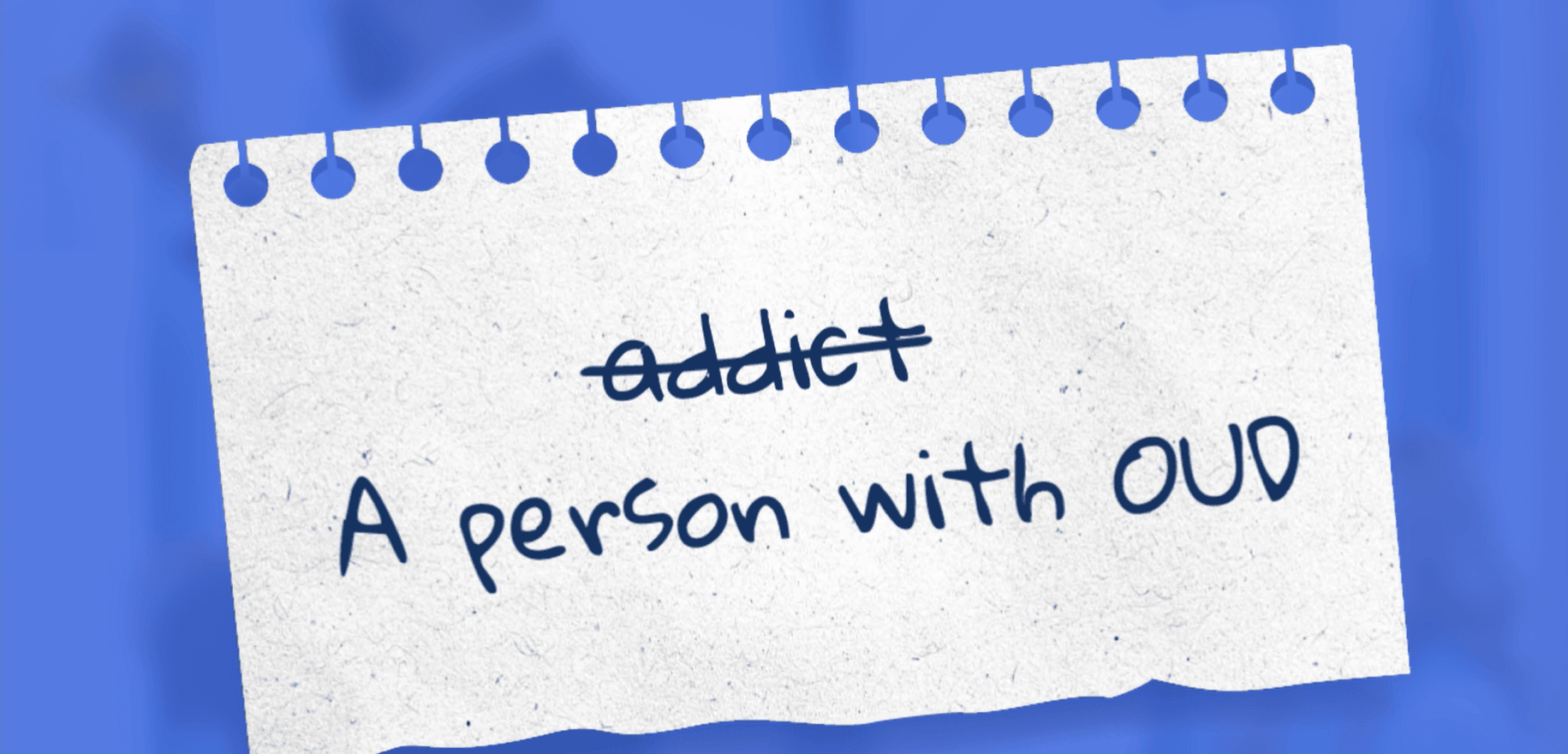
Take the word “addict.” It’s a label that defines a person by their condition and contributes to implicit bias. Instead, person-first language like “a person with opioid use disorder” or “a person with substance use disorder” focuses on the whole person—not just a diagnosis. This shift matters because it moves us away from judgment and toward understanding that OUD is a medical condition, not a moral failing.[2]
Another guiding principle from destigmatized language frameworks is the importance of medically accurate terminology. Words like “clean” and “dirty” carry cultural and moral connotations that undermine the medical reality of OUD as a chronic, treatable disease. Communicating with precision, using terms like substance use disorder, opioid use disorder, and medication for opioid use disorder (MOUD), supports clarity and aligns OUD with how we discuss other health conditions. It also reinforces that treatment is part of the standard of care for OUD.
Similarly, terms like “relapse” should be framed in clinical accuracy—a return to use—without implying personal failure. And phrases such as “testing negative/positive” are preferred over “failed drug test” because they communicate exactly what’s happening without judgment.
In other areas of healthcare, such as epilepsy, cancer, or heart disease, we naturally rely on precise, clinical language that describes what is happening medically without attaching judgment or moral meaning. Applying that same approach to OUD invites us to be more mindful of the words we use and the assumptions they may carry. When we speak with accuracy and care, we help place OUD alongside other chronic, treatable conditions and reinforce that compassionate, evidence-based treatment is a standard part of care.
Why does this shift matter beyond semantics?
Because stigma, whether overt or subtle, affects policy, clinical interactions, insurance coverage, and, critically, whether someone feels safe seeking help. A retrospective medical record review at four health systems (N=328) found that when clinicians and communicators use non-stigmatizing, medically accurate language, patients may be more likely to engage in ongoing care and follow-up planning.[3]
Braeburn developed a destigmatizing language guide to help ensure that conversations about substance use disorder are grounded in science, compassion, and respect, setting a clear standard for how language can support recovery rather than cause harm.
As a VP of Marketing, I know that language choices are never neutral. They reflect our values and shape the culture around us. In 2026, let’s commit to retiring language that no longer serves our patients, our communities, or our mission. Let’s choose language rooted in science, equity, and respect across all therapeutic areas.
References
- National Institute on Drug Abuse. Words Matter: Terms to Use and Avoid When Talking About Addiction. Published November 29, 2021. Accessed January 13, 2026. https://nida.nih.gov/nidamed-medical-health-professionals/health-professions-education/words-matter-terms-to-use-avoid-when-talking-about-addiction
- National Institute on Drug Abuse. Words Matter: Preferred Language for Talking About Addiction. Published June 23, 2021. Accessed January 13, 2026. https://nida.nih.gov/research-topics/addiction-science/words-matter-preferred-language-talking-about-addiction
- Carpenter JE, Catalanotti J, Notis M, et al. Use of nonstigmatizing language is associated with improved outcomes in hospitalized people who inject drugs. J Hosp Med. 2023;18(8):670-676. doi:10.1002/jhm.13146